Decoding Muscle Pain
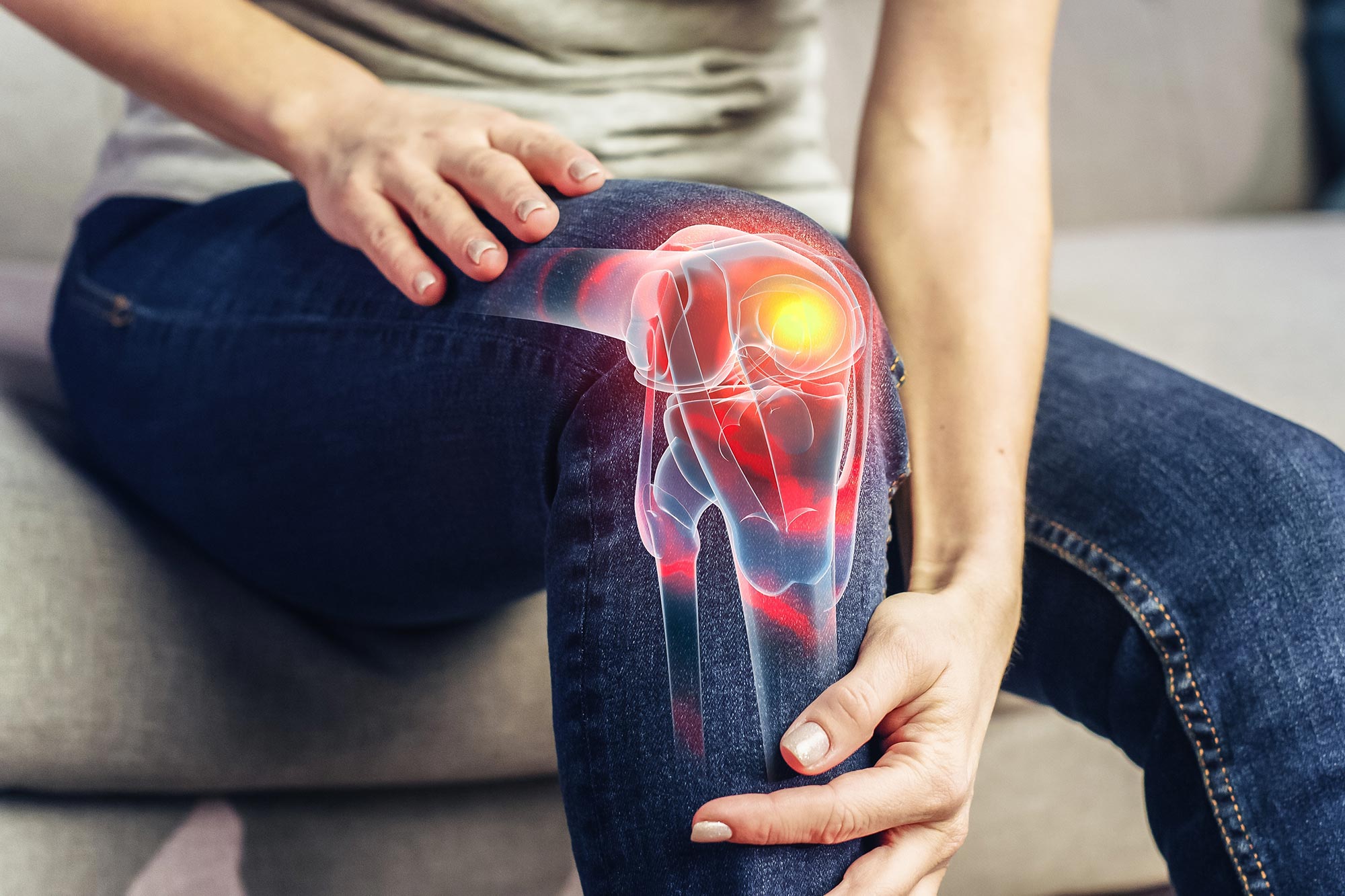
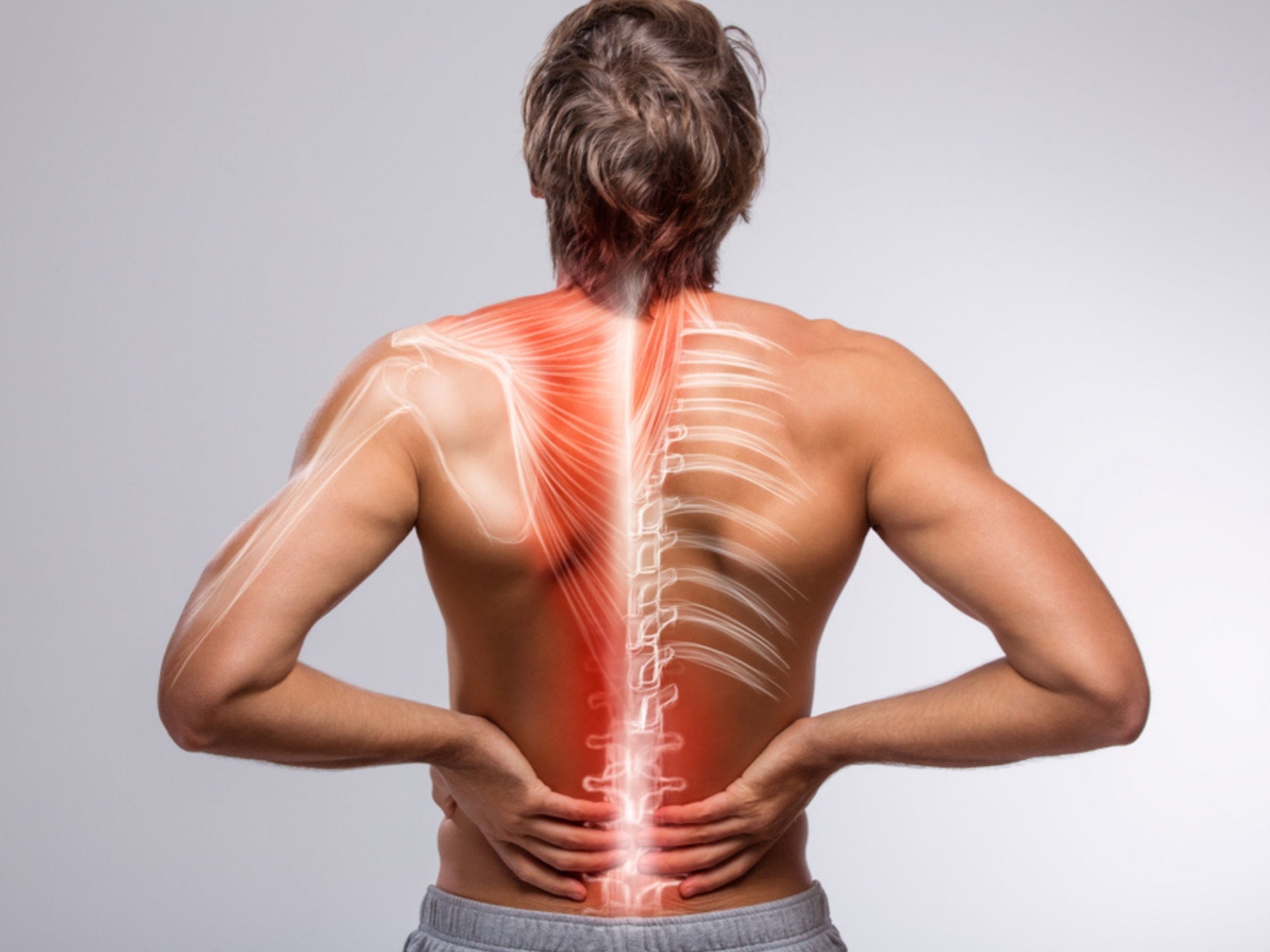
Muscle pain, or myalgia, is one of the most common reasons people seek medical care. From the soreness after a challenging workout to chronic conditions like fibromyalgia, muscle pain affects people of all ages and activity levels. Understanding the different types of muscle pain and their underlying causes is essential for effective treatment and prevention.
Types of Muscle Pain
Muscle pain manifests in various forms. Acute muscle pain typically results from injury or overuse and resolves with appropriate care. Delayed onset muscle soreness (DOMS) appears 24-72 hours after unfamiliar or intense exercise. Chronic muscle pain persists for weeks or months and may indicate underlying conditions like fibromyalgia or myofascial pain syndrome. Muscle cramps are sudden, involuntary contractions that can be intensely painful. Distinguishing between these types helps determine appropriate treatment approaches.
Referred pain occurs when pain is felt in a different location than its source—for example, heart attack pain often radiates to the shoulder and arm. Myofascial pain involves trigger points—tight, painful areas within muscles that can refer pain to other body areas.
Common Causes
Overuse and repetitive strain are frequent causes of muscle pain, particularly in occupations or activities involving repeated motions. Acute injuries like strains occur when muscles are stretched beyond their capacity. Poor posture places chronic strain on certain muscle groups. Stress often manifests as tension in neck, shoulder, and back muscles. Nutritional deficiencies, particularly magnesium, potassium, or calcium, can contribute to muscle cramps and pain.
Underlying medical conditions can also cause muscle pain. Fibromyalgia is characterized by widespread pain and tenderness. Autoimmune conditions like polymyositis cause muscle inflammation. Infections such as influenza, Lyme disease, or COVID-19 often include muscle aches. Certain medications, particularly statins, can cause muscle pain as a side effect. Thyroid disorders, both underactive and overactive, may contribute to muscle symptoms.
Acute Treatment Strategies
For acute muscle injuries, the RICE protocol remains the foundation of treatment. Rest allows injured tissues to begin healing. Ice reduces inflammation and numbs pain—apply for 15-20 minutes every few hours during the first 48 hours. Compression with elastic bandages limits swelling. Elevation helps fluid drain away from the injury site. Over-the-counter anti-inflammatory medications can provide additional relief for acute injuries without contraindications.
After the acute phase, gentle movement promotes healing. Stretching and range of motion exercises prevent stiffness and maintain flexibility. Heat can be beneficial after the initial swelling has subsided, increasing blood flow to healing tissues. Massage may help reduce muscle tension and promote relaxation.
Chronic Pain Management
Managing chronic muscle pain requires a comprehensive approach. Physical therapy addresses underlying movement patterns and builds strength to support affected areas. Regular exercise, while sometimes challenging, is crucial for maintaining function and reducing pain over time. Cognitive behavioral therapy helps develop coping strategies and addresses the psychological aspects of chronic pain.
Alternative treatments can be effective complements to conventional care. Acupuncture has shown benefits for various pain conditions. Chiropractic care addresses musculoskeletal alignment issues. CBD and medical cannabis have gained attention for chronic pain management, with some studies showing significant benefits. Yoga and meditation help reduce stress, which often exacerbates muscle pain.
Prevention Strategies
Preventing muscle pain starts with proper conditioning. Gradual progression in exercise intensity allows muscles to adapt safely. Proper warm-up before activity increases blood flow and flexibility. Cool-down after exercise prevents blood pooling and reduces soreness. Good ergonomics at work and home minimize strain on muscles. Adequate hydration supports muscle function and prevents cramps.
Regular stretching maintains flexibility and prevents tightness. Strength training builds resilience in muscles and connective tissues. Adequate sleep allows muscles to recover and repair. Managing stress reduces the muscle tension that contributes to pain. Pay attention to your body's signals—pushing through pain often leads to more significant problems.