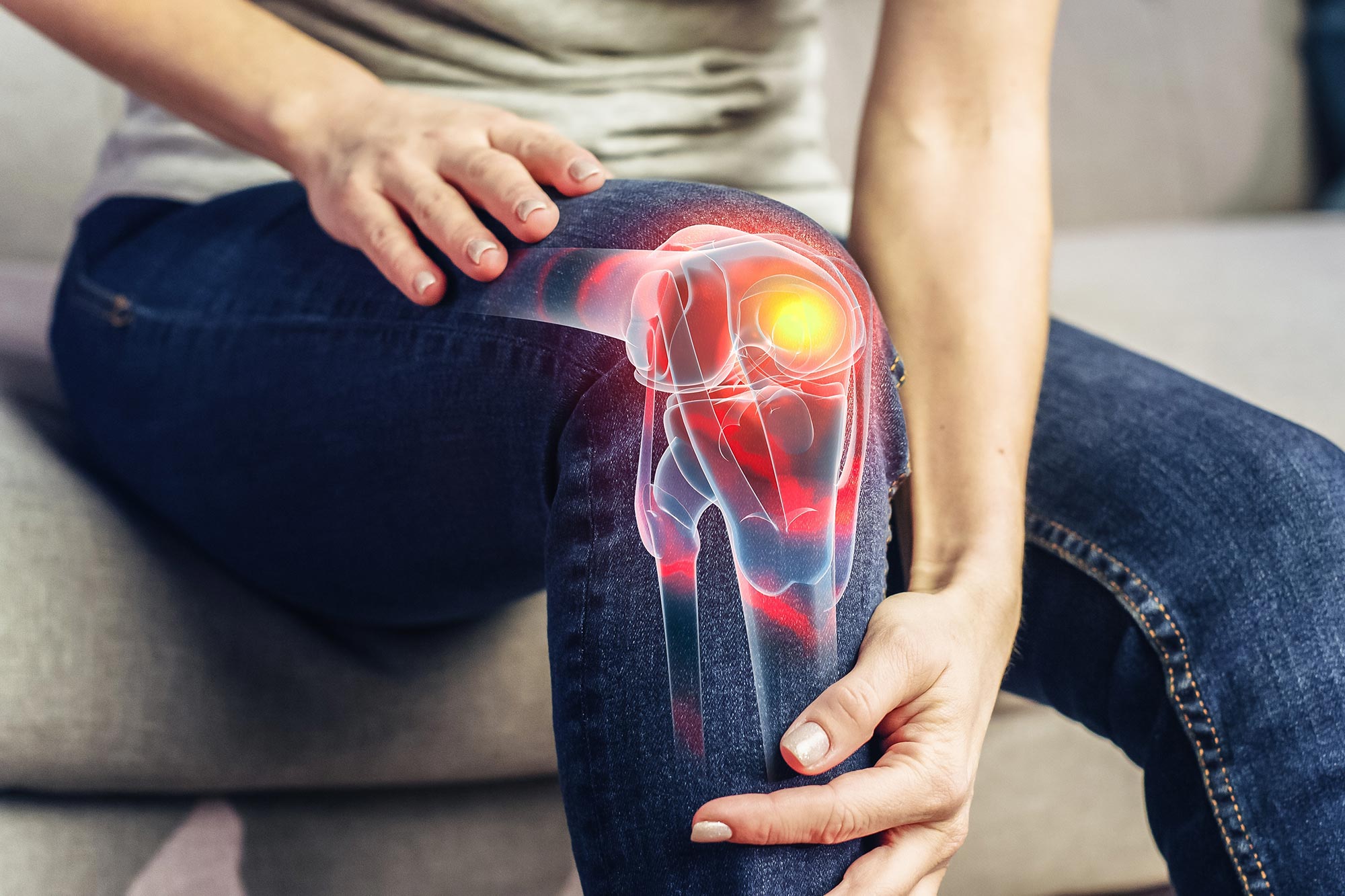

Understanding Natural Pain Relief
Living with chronic pain can be debilitating, affecting every aspect of your daily life from work performance to personal relationships. While conventional medications have their place in pain management, many people are increasingly turning to natural alternatives for long-term relief. This comprehensive guide explores the most effective natural pain relief options available today, backed by scientific research and traditional wisdom.
The Science Behind Natural Pain Relief
Natural pain relief methods work through various mechanisms in the body. Some target inflammation, others work on nerve pathways, while some promote the body's own healing processes. Understanding how these natural approaches work can help you make informed decisions about your pain management strategy. Research has shown that natural compounds like curcumin from turmeric, capsaicin from chili peppers, and menthol from peppermint can effectively reduce pain signals and inflammation.
Top Natural Pain Relief Methods
1. Turmeric and Curcumin: This golden spice has powerful anti-inflammatory properties that rival some over-the-counter pain medications. Studies show that curcumin can be particularly effective for arthritis pain and joint inflammation. For best results, consume turmeric with black pepper which enhances absorption by up to 2000%.
2. CBD Oil: Cannabidiol has gained significant attention for its pain-relieving properties. CBD interacts with the body's endocannabinoid system, which regulates pain, inflammation, and mood. Many users report significant relief from chronic pain conditions including arthritis, fibromyalgia, and neuropathic pain.
3. Acupuncture: This ancient Chinese practice involves inserting thin needles into specific points on the body. Research has shown that acupuncture can effectively treat various pain conditions by stimulating the release of endorphins, the body's natural painkillers.
4. Heat and Cold Therapy: Alternating between hot and cold applications can significantly reduce pain and inflammation. Heat helps relax muscles and increase blood flow, while cold reduces swelling and numbs sharp pain. This simple yet effective method can be done at home with no special equipment.
Lifestyle Changes for Pain Management
Beyond specific treatments, certain lifestyle modifications can dramatically impact your pain levels. Regular gentle exercise like swimming or yoga helps maintain flexibility and strength while reducing inflammation. A diet rich in anti-inflammatory foods such as berries, leafy greens, and fatty fish can help manage pain from within. Stress reduction techniques like meditation and deep breathing can also help break the pain-stress cycle that often worsens chronic conditions.
When to Seek Professional Help
While natural remedies can be highly effective, it's important to consult with healthcare professionals before starting any new treatment regimen, especially if you have underlying health conditions or are taking medications. A holistic approach combining natural remedies with professional medical guidance often yields the best results for long-term pain management.