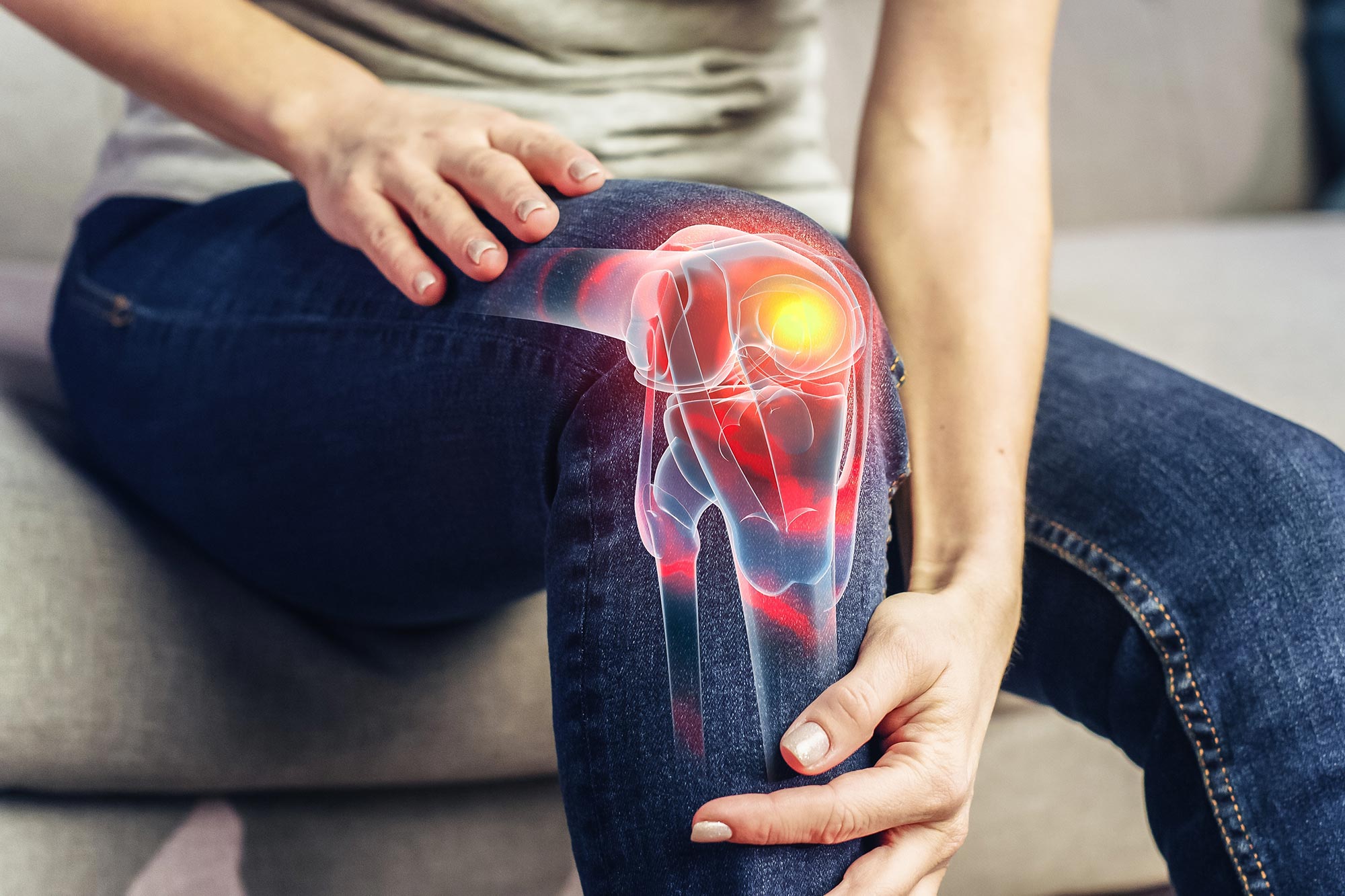

The Science of Muscle Recovery
Whether you're an elite athlete or a weekend warrior, proper muscle recovery is essential for performance and preventing injury. When you exercise, you create microscopic tears in muscle fibers. Recovery isn't just about rest—it's an active process where your body repairs these tears, making muscles stronger and more resilient. Understanding the science behind recovery can help you optimize your results and feel better after workouts.
Nutrition for Recovery
What you eat after exercise significantly impacts how well your muscles recover. Protein provides the amino acids needed for muscle repair, with studies showing that 20-40 grams of high-quality protein consumed within two hours post-exercise optimizes recovery. Carbohydrates replenish glycogen stores depleted during exercise. Timing matters too—the "anabolic window" concept suggests that consuming nutrients soon after exercise maximizes muscle protein synthesis.
Key nutrients for recovery include: Whey protein which is rapidly absorbed, casein for sustained amino acid release, omega-3 fatty acids which reduce inflammation, and tart cherry juice which has been shown to decrease muscle soreness. Hydration is equally crucial—even mild dehydration can impair recovery and increase perceived soreness.
Active Recovery Techniques
Complete rest isn't always the best approach. Active recovery involves low-intensity exercise that promotes blood flow to muscles without causing additional damage. Light walking, swimming, or cycling can help flush out metabolic waste products and deliver oxygen and nutrients to healing tissues. Studies show that active recovery can reduce delayed onset muscle soreness (DOMS) more effectively than passive rest.
Foam rolling and self-myofascial release have gained popularity for good reason. Research indicates these techniques can improve range of motion and reduce soreness by breaking up adhesions in connective tissue. Massage therapy, whether professional or self-administered, increases blood flow and reduces muscle tension, accelerating the healing process.
Sleep and Recovery
Sleep is perhaps the most underrated recovery tool. During deep sleep, growth hormone release peaks, facilitating tissue repair and muscle growth. Research shows that sleep deprivation impairs recovery, increases inflammation, and can even alter pain perception. Aim for 7-9 hours of quality sleep, paying attention to sleep hygiene practices like maintaining a consistent schedule and creating a dark, cool sleeping environment.
Supplements and Natural Aids
Several supplements have shown promise for enhancing recovery. Creatine monohydrate helps replenish ATP stores and may reduce muscle damage. Branched-chain amino acids (BCAAs) can decrease perceived soreness and fatigue. CBD has gained attention for its anti-inflammatory properties, with some studies suggesting it may help reduce exercise-induced inflammation. Always consult healthcare professionals before starting new supplements.
Recovery Protocols for Different Training Types
Different forms of exercise require different recovery approaches. Endurance training depletes glycogen stores and requires carbohydrate replenishment. Strength training creates more muscle damage, emphasizing protein intake and sleep. High-intensity interval training stresses the nervous system, making stress reduction and quality sleep particularly important. Tailoring your recovery strategy to your specific training type optimizes results and reduces injury risk.