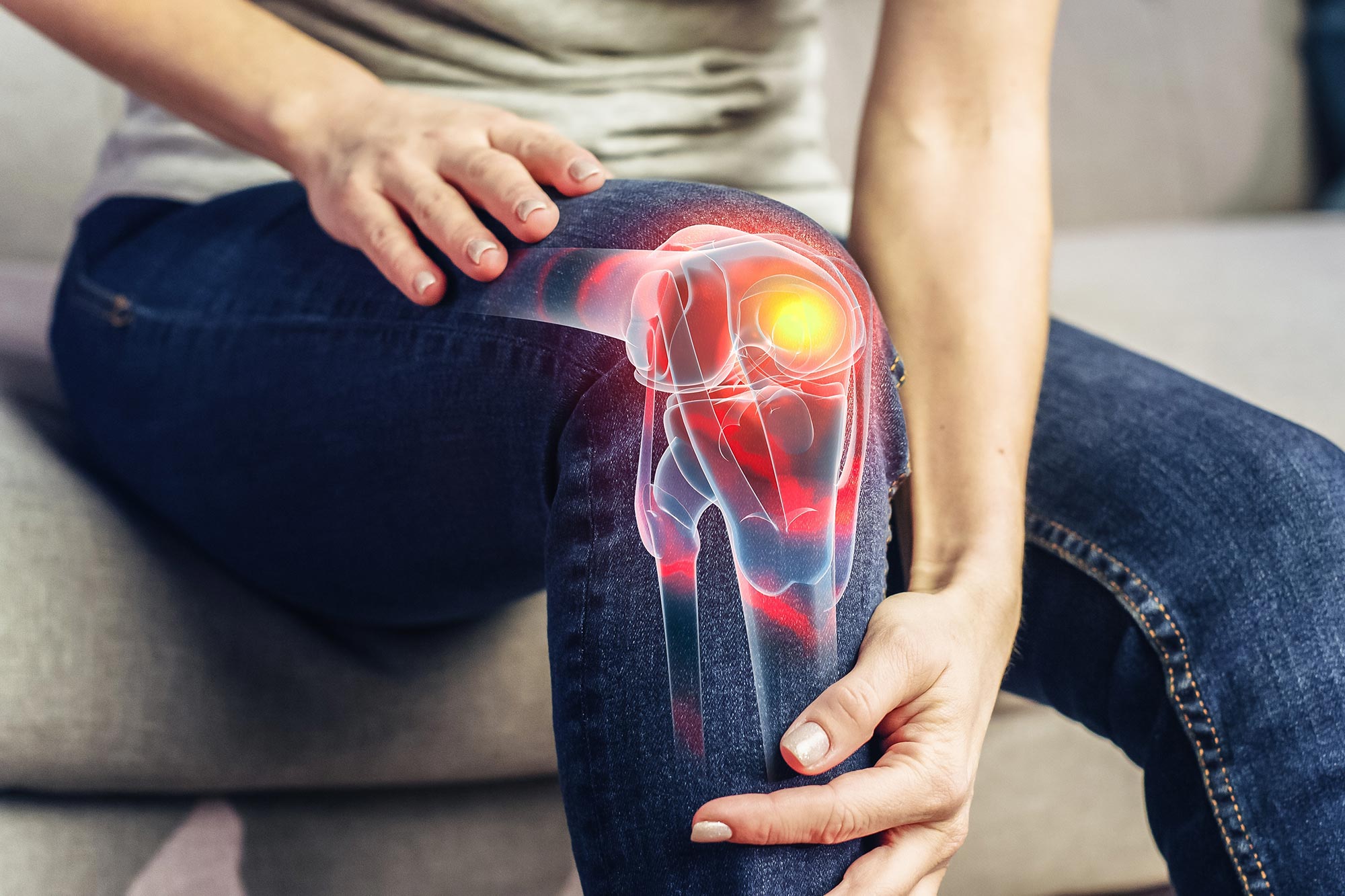

Thriving with Arthritis
An arthritis diagnosis doesn't mean giving up the activities you love. With the right strategies, millions of people successfully manage their symptoms and maintain active, fulfilling lives. This guide offers practical tips for navigating daily life with arthritis, from morning stiffness to evening activities. Whether you're newly diagnosed or have been managing arthritis for years, these strategies can help you thrive.
Managing Morning Stiffness
Morning stiffness is one of the most common challenges for people with arthritis. Starting your day with gentle movement can make a significant difference. Begin with gentle stretches while still in bed, moving each joint through its range of motion. A warm shower or bath can help loosen stiff joints. Taking medications as prescribed, preferably with food, can help manage pain before it becomes severe. Planning for extra time in the morning reduces stress when movements are slower.
Heat therapy can be particularly helpful for morning stiffness. Heating pads, warm baths, or heated paraffin wax for hands and feet can increase blood flow and relax muscles. For some, cold therapy works better for reducing inflammation—experiment to find what works best for you.
Energy Conservation Techniques
Arthritis often causes fatigue along with pain. Pacing yourself throughout the day helps conserve energy for important activities. Break tasks into smaller segments with rest periods in between. Use assistive devices when helpful—jar openers, reachers, and ergonomic tools reduce strain on joints. Prioritize activities and learn to say no when necessary. Listen to your body's signals and rest before fatigue becomes overwhelming.
Work simplification strategies can make tasks easier. Sit rather than stand when possible. Use carts to carry items rather than carrying them. Keep frequently used items within easy reach to avoid unnecessary reaching or bending. These small changes can significantly reduce joint stress throughout the day.
Exercise and Physical Activity
Regular exercise is essential for arthritis management, but finding the right balance is key. Water exercise is often ideal—the buoyancy of water supports joints while providing resistance for strength building. Walking is accessible and effective, though proper footwear is important. Gentle yoga or tai chi improves flexibility and balance while reducing stress. Strength training builds muscles that support and protect joints.
The key is to start slowly and gradually increase activity. On days when symptoms flare, focus on gentle movement rather than pushing through pain. Working with a physical therapist can help develop an individualized exercise program that addresses your specific needs and limitations.
Adaptive Equipment and Home Modifications
Simple modifications can make daily tasks much easier. Lever-style door handles are easier to use than round knobs. Grab bars in bathrooms provide stability and safety. Raised toilet seats reduce strain on hips and knees. Kitchen tools with built-up handles are easier to grip. Rocker knives allow cutting with a rocking motion rather than gripping and sawing.
Consider your home environment. Stairs can become challenging—relocating bedrooms to the main floor may become necessary over time. Good lighting reduces fall risk. Removing throw rugs eliminates tripping hazards. These modifications allow many people to remain in their homes longer and maintain independence.
Emotional Well-being
Living with chronic pain takes an emotional toll. It's normal to experience frustration, grief, or anxiety. Connecting with others who understand through support groups can be invaluable. Counseling or therapy can help develop coping strategies and process difficult emotions. Mindfulness and meditation practices help manage pain by changing how you relate to discomfort. Maintaining social connections prevents isolation—arrange to meet friends for low-impact activities rather than declining invitations.
Celebrate what you can do rather than focusing on limitations. Many people with arthritis continue working, traveling, and pursuing hobbies with adaptations. The condition doesn't define you—it's just one aspect of your life story.