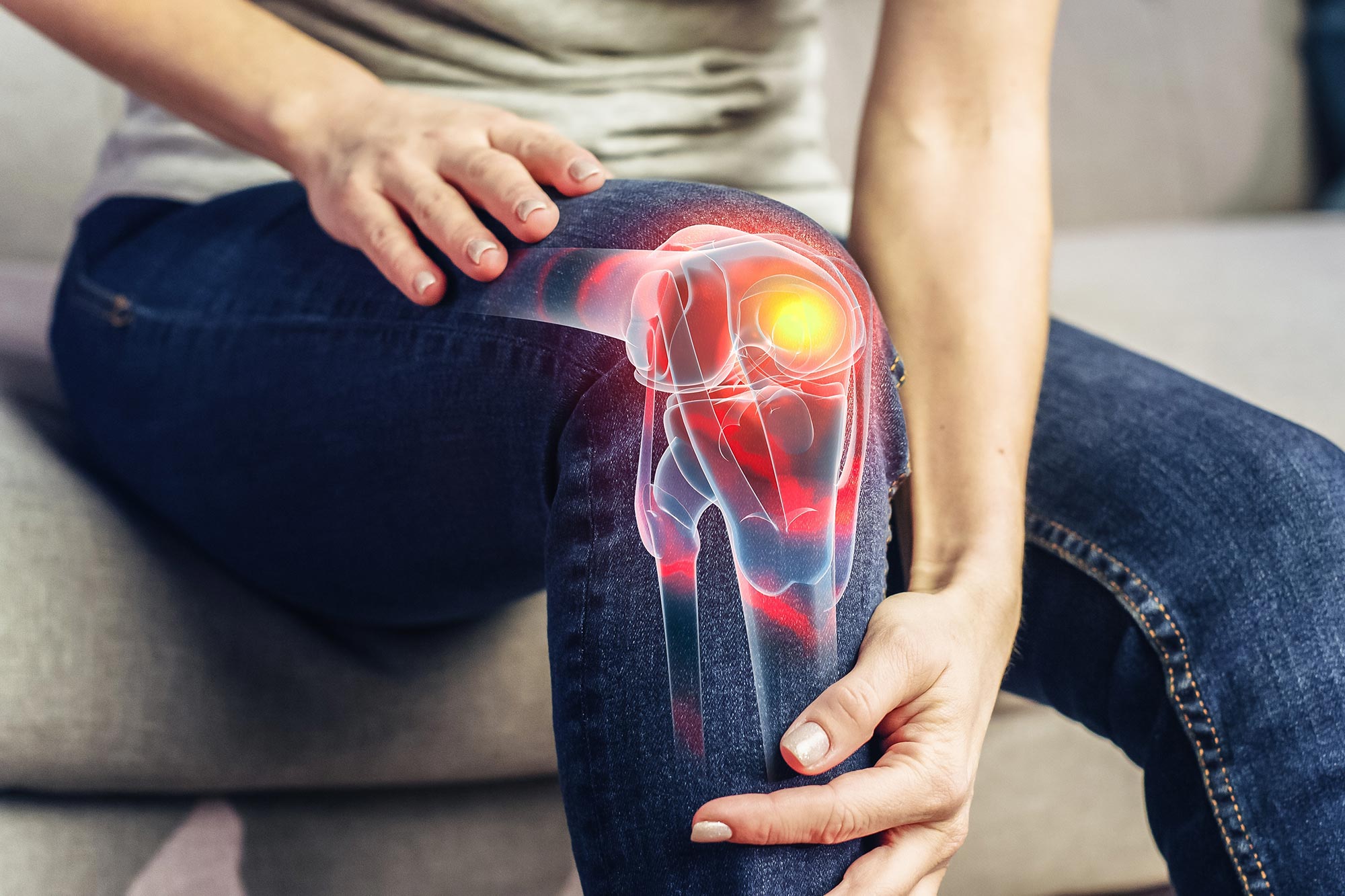

The Foundation of Joint Health
Your joints are remarkable structures that allow movement while supporting your body weight. From the ball-and-socket hip joint to the hinge-like knee, each joint is designed for specific functions. Maintaining joint health throughout life requires understanding how these structures work and what they need to stay healthy. With proper care, you can preserve joint function well into your later years.
Understanding Joint Anatomy
Joints are complex structures where bones meet. Cartilage, a smooth, rubbery tissue, covers bone ends, allowing friction-free movement. Synovial fluid lubricates the joint and nourishes cartilage. Ligaments connect bones to each other, providing stability, while tendons attach muscles to bones, enabling movement. Surrounding muscles provide additional support and shock absorption. When any of these components are compromised, joint problems can develop.
Nutrition for Joint Health
What you eat directly affects your joints. Anti-inflammatory foods help protect joints from damage. Omega-3 fatty acids found in fatty fish, walnuts, and flaxseeds reduce inflammation throughout the body. Antioxidant-rich fruits and vegetables combat oxidative stress that can damage joint tissues. Vitamin C is essential for collagen production, a key component of cartilage. Vitamin D and calcium support bone health, providing the foundation for stable joints.
Specific nutrients that support joints include: Glucosamine and chondroitin, which may help maintain cartilage integrity; collagen supplements that provide building blocks for joint tissues; and turmeric, which contains curcumin, a powerful anti-inflammatory compound. Hydration is also critical—water makes up a significant portion of synovial fluid, and dehydration can impair joint lubrication.
Exercise and Joint Health
Regular exercise is essential for joint health, but the type matters. Low-impact activities like swimming, cycling, and elliptical training provide cardiovascular benefits without excessive joint stress. Strength training builds muscles that support and protect joints—strong quadriceps, for example, reduce stress on the knees. Flexibility exercises maintain range of motion and prevent stiffness. Balance training reduces fall risk, protecting joints from injury.
Finding the right balance is key. Too little activity leads to stiffness and muscle weakness, while excessive high-impact activity can accelerate joint wear. Listening to your body and respecting pain signals helps you stay active without causing damage.
Preventing Joint Problems
Many joint issues are preventable with proper care. Maintaining a healthy weight significantly reduces stress on weight-bearing joints—every pound of excess weight adds about four pounds of pressure to knees. Proper posture and ergonomics protect joints during daily activities. Wearing supportive footwear provides shock absorption and proper alignment. Avoiding repetitive stress by varying activities and taking breaks can prevent overuse injuries.
When to Seek Help
Early intervention can prevent minor joint issues from becoming major problems. Seek medical attention if you experience persistent joint pain, swelling, or stiffness; reduced range of motion; joint instability; or if pain interferes with daily activities. Early diagnosis and treatment of conditions like arthritis or injuries can preserve joint function and prevent permanent damage.